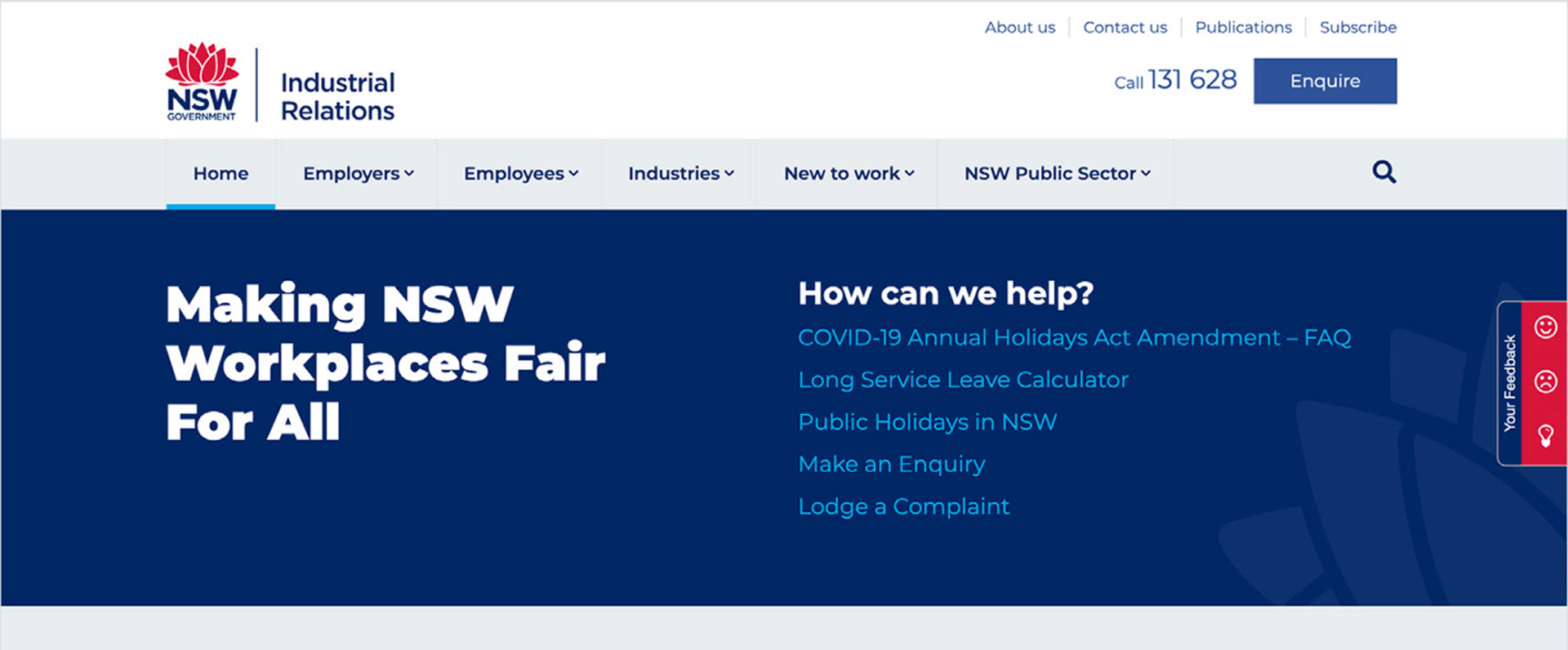
The Strategic Audit: Industrial Relations Department
I was engaged to conduct a high-intensity UX and Service Experience (SXD) audit to address systemic design debt across the department's digital ecosystem. By synthesising stakeholder insights with a rigorous structural audit, I identified critical friction points and accessibility gaps that bypassed standard assistive technologies. The result was a comprehensive transformation roadmap and journey map, highly commended by leadership for its ability to bridge complex internal policy with intuitive, human-centered service delivery.
The core challenges included:
Systemic Fragmentation: A lack of cohesive design patterns led to high cognitive load and user drop-off.
Operational Inefficiency: Legacy workflows caused significant friction for staff, increasing the time required to process internal tasks and external stakeholder requests.
Compliance Risk: The platform failed to meet mandatory government accessibility standards (WCAG), creating barriers for users with disabilities and legal risks for the department.
Strategic Approach
I led a comprehensive Service Experience (SXD) Audit to bridge the gap between high-level policy requirements and end-user needs. My methodology focused on identifying the "friction points" where service delivery was breaking down.
Multidimensional Audit: Conducted a deep dive into UI/UX patterns, task flows, and information architecture to identify systemic inconsistencies.
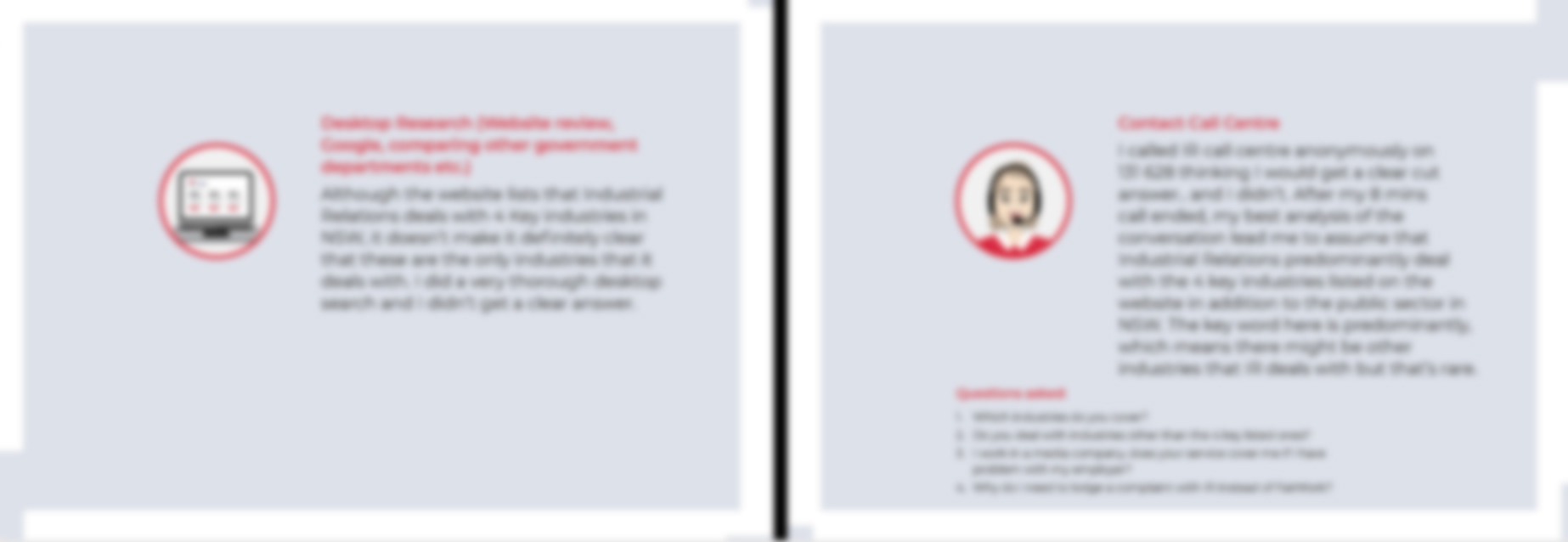
Service Journey Mapping: Visualised the end-to-end journey for both internal staff (service providers) and external stakeholders (employers/employees) to uncover hidden bottlenecks.
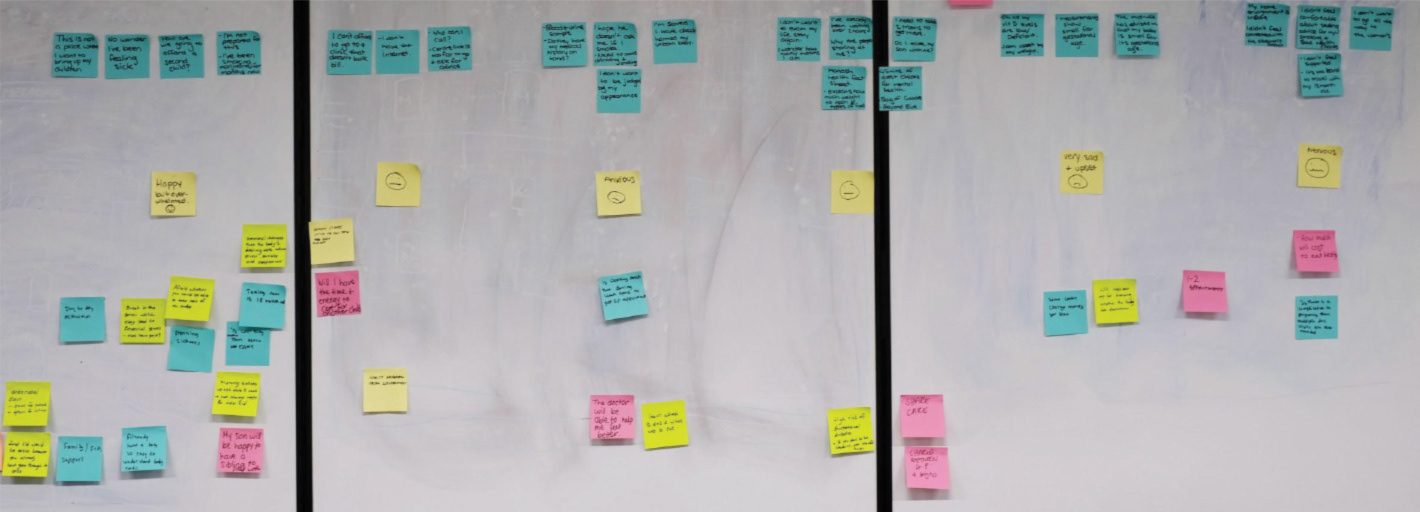
Stakeholder Synthesis: Facilitated interviews with departmental leads and end-users to align technical constraints with human-centered design opportunities.
Heuristic evaluation and accessibility audit of internal legacy systems.
Stakeholder synthesis and logic-mapping session to align departmental policy with user needs.
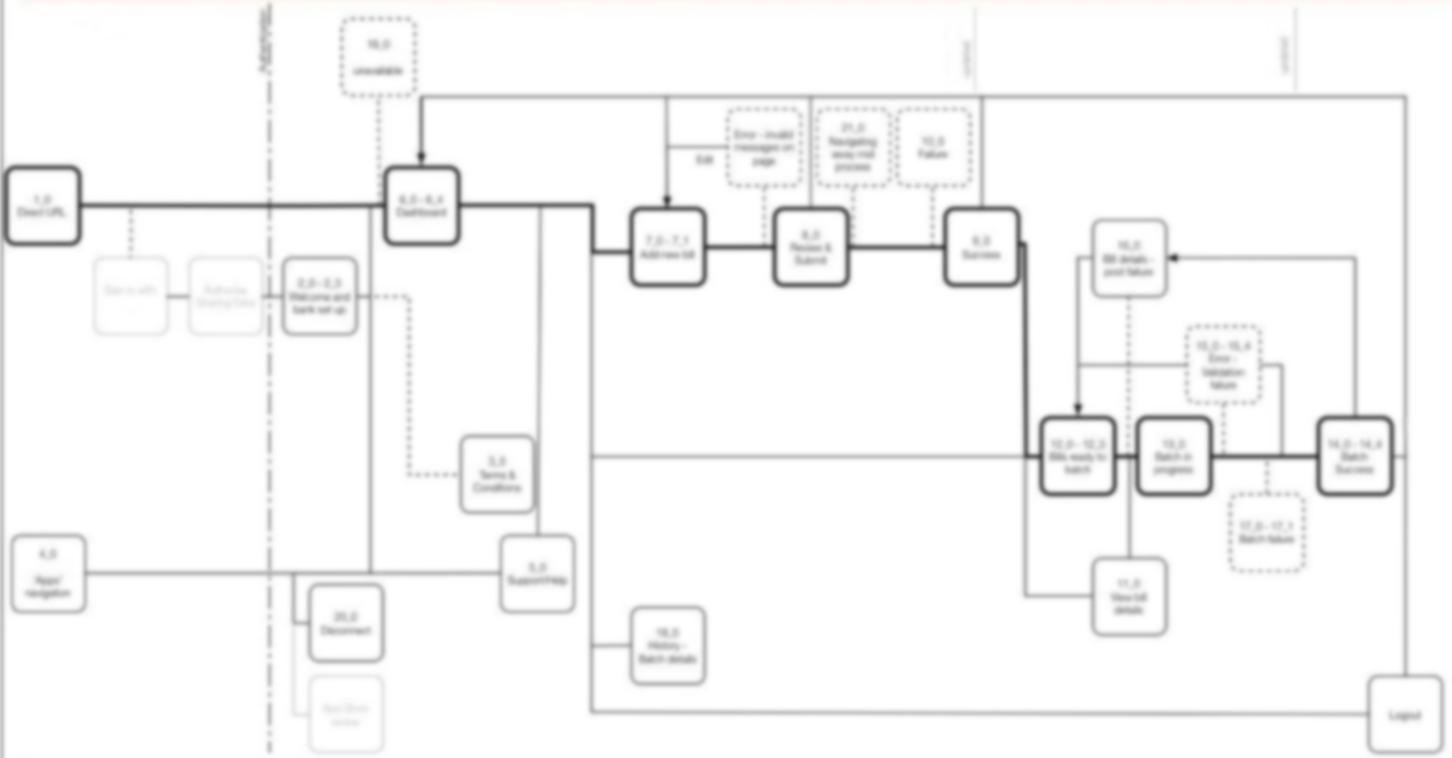
High-level Service Journey mapping identifying cross-channel friction points

Key Insights
Inconsistent User Mental Models: Different user personas were forced to navigate varied structures for identical tasks, leading to high error rates and user frustration.
Structural Accessibility Gaps: Accessibility failures weren't merely visual; they were structural, preventing assistive technologies from successfully navigating or completing complex forms.
Internal Workflow Bottlenecks: Analysis revealed that internal staff relied on inefficient "workarounds" necessitated by an unintuitive backend UI, increasing operational overhead.
Outcomes & Impact
The audit provided a strategic roadmap for digital transformation, shifting the focus from aesthetic fixes to structural service improvements.
Unified UI/UX Framework: Established a streamlined navigation system that reduced task complexity and improved discovery across all user groups.
SXD Alignment: Integrated internal and external workflows into a cohesive journey, ensuring "back-office" efficiency directly improved "front-end" satisfaction.
Inclusive Design Excellence: Delivered actionable accessibility enhancements to bring the platform into full alignment with government inclusivity standards.
Transformation Roadmap: Provided the foundational blueprint for the Department’s multi-year digital strategy, ensuring a scalable, human-centered foundation for future iterations.